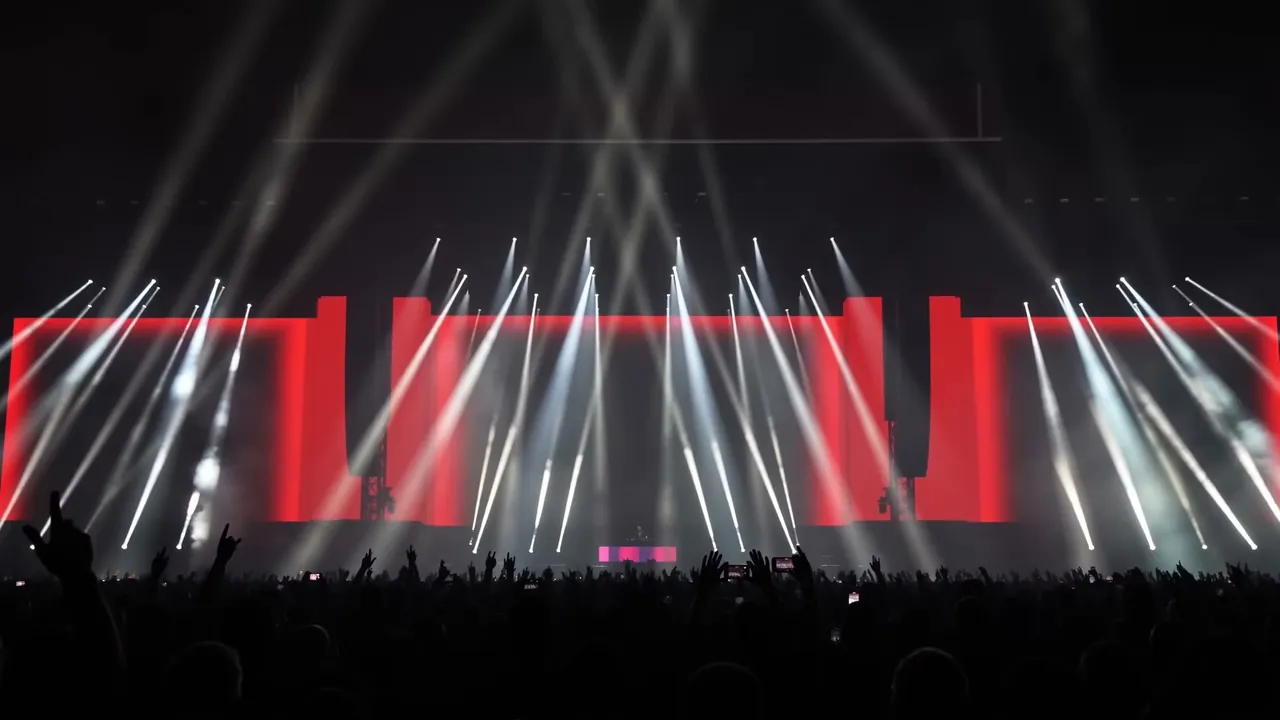
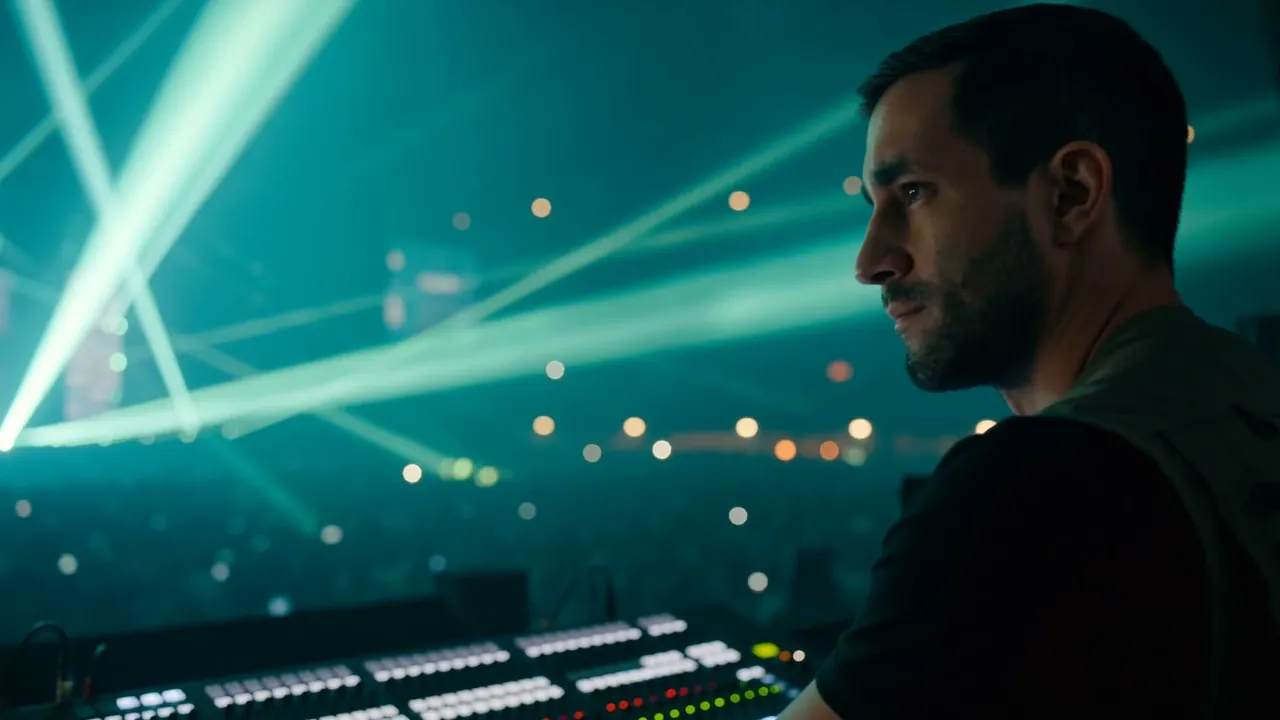
An operator at the lighting console as cyan beams sweep across a packed crowd.

Use cases — Orange County, CA

Where a designedshow fits.

Most of what we do is run live: an operator at the desk, playing designed looks to the music in the room. No lengthy pre-production, no weeks of planning, priced for one night. Timecode is there for the shows that must land identically every time.

Live by default / Timecode on request08 use cases — Projected Reality

01 — Two ways to work

Live by default.Programmed whenit counts.

Both are professional and both are Projected Reality. Every look is built by a show designer; the difference is how it’s run on the night.

01 — Live

Run live to the music

An operator plays professionally built looks to the music in the room, in real time. No timecode, no lengthy pre-production, no weeks of planning. Hire the operator and the gear and you get a designed show, priced for one night in a small room.

FitsDJ sets · Bands · Bars · Pop-ups · Parties · Launches
02 — Programmed

Timecoded when it must be identical

Every cue locked to the track, so the show lands on the same frame every run and a broadcast cut can be planned around it. Rehearsed on a virtual rig before load-in. Worth it when repeatability matters more than reading the room.

FitsLivestreams · Tours with playback · Reveals cut to a film

02 — Eight use cases

Eight rooms.One way of working.

Find the room that looks like yours. Each one starts with one operator and a compact rig, and grows with the space.

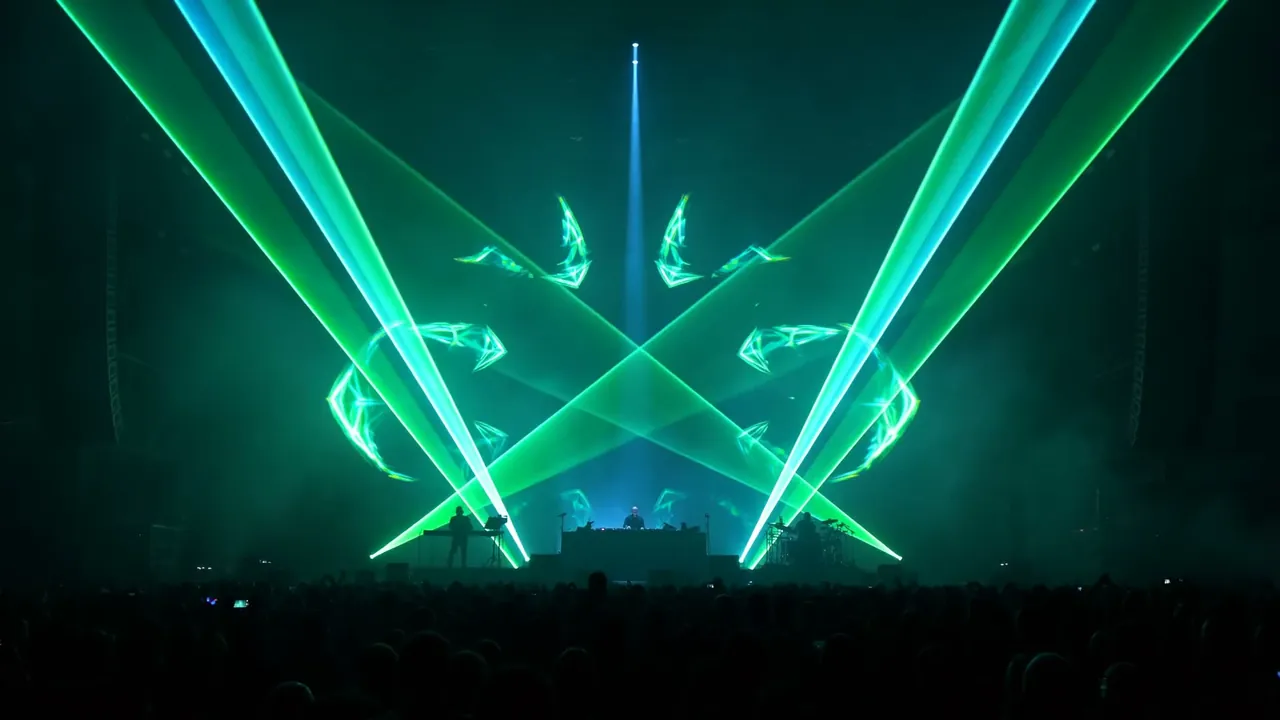
  1. Two DJs on a stage under crossing green laser fans, with hands up in the crowd below.
    250-cap room
    01 — Run live

    DJ sets and club nights

    You’ve booked a DJ for a 250-cap room. The house rig is four pars on a sound-to-light box, and you want the night to feel like a show, not a bar with music on.

    What we bring
    Moving headsLasersHazeOperator
    How it runs
    Live to the music. The operator reads the set and builds it in real time: the build, the drop, the breather after it. Timecode only when the DJ plays a locked set with playback and wants every hit on the frame.
    Starts small
    One operator and a compact rig on the DJ riser. Scope grows with the room and the guest list.
  2. AI concept of a small stage with a drum kit under cyan and green moving lights and a red backdrop.
    120-cap bar
    02 — Run live

    Local bands and small venues

    Your band plays a 120-cap bar with a stage the size of a rug. The lights are whatever the bartender switches on, and the record comes out next month.

    What we bring
    Moving headsWashHazeOperator
    How it runs
    Live, song by song. The operator learns the set at soundcheck and follows the band: a slow verse gets a slow look, and an encore nobody planned still gets lit. Timecode when the set runs to a click and playback every night.
    Starts small
    One operator and four to six fixtures that fit a bar stage. Scope grows with the tour.
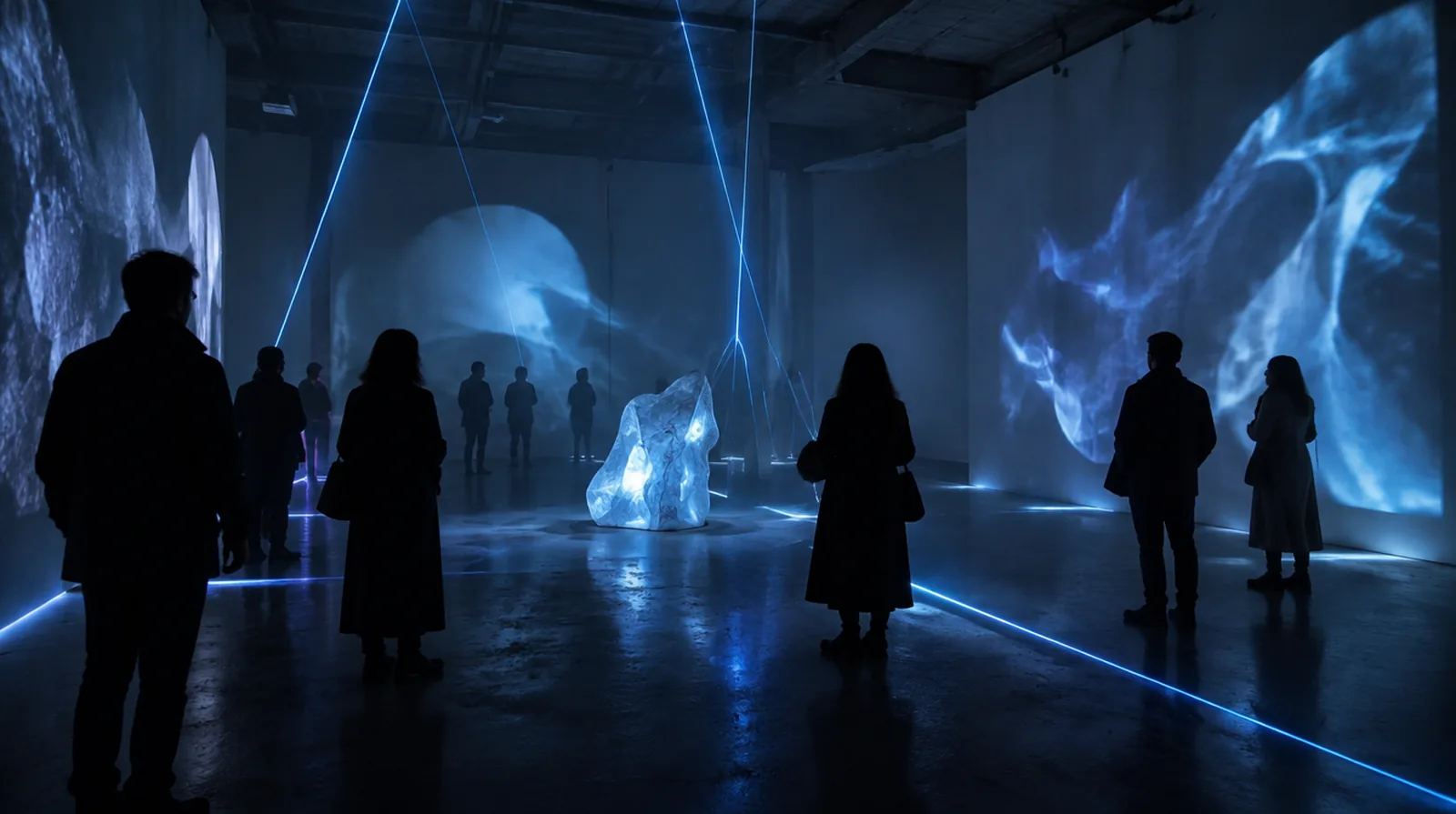
  3. AI concept of a pop-up art installation: visitors silhouetted in a raw gallery space with thin blue laser lines and projected shapes across white walls.
    Warehouse, one weekend
    03 — Live, then looped

    Pop-up art installations and galleries

    You have a warehouse for a weekend, a wall that deserves more than a projector on a milk crate, and an opening on Friday night.

    What we bring
    ProjectionMapped surfacesLasersOperator
    How it runs
    Live for the opening: the operator shifts the visuals with the room as it fills. Looping playback for the days after, so the piece runs itself once we’ve dialed it in.
    Starts small
    One projector, one mapped surface and a one-night setup. Scope grows with the number of walls.
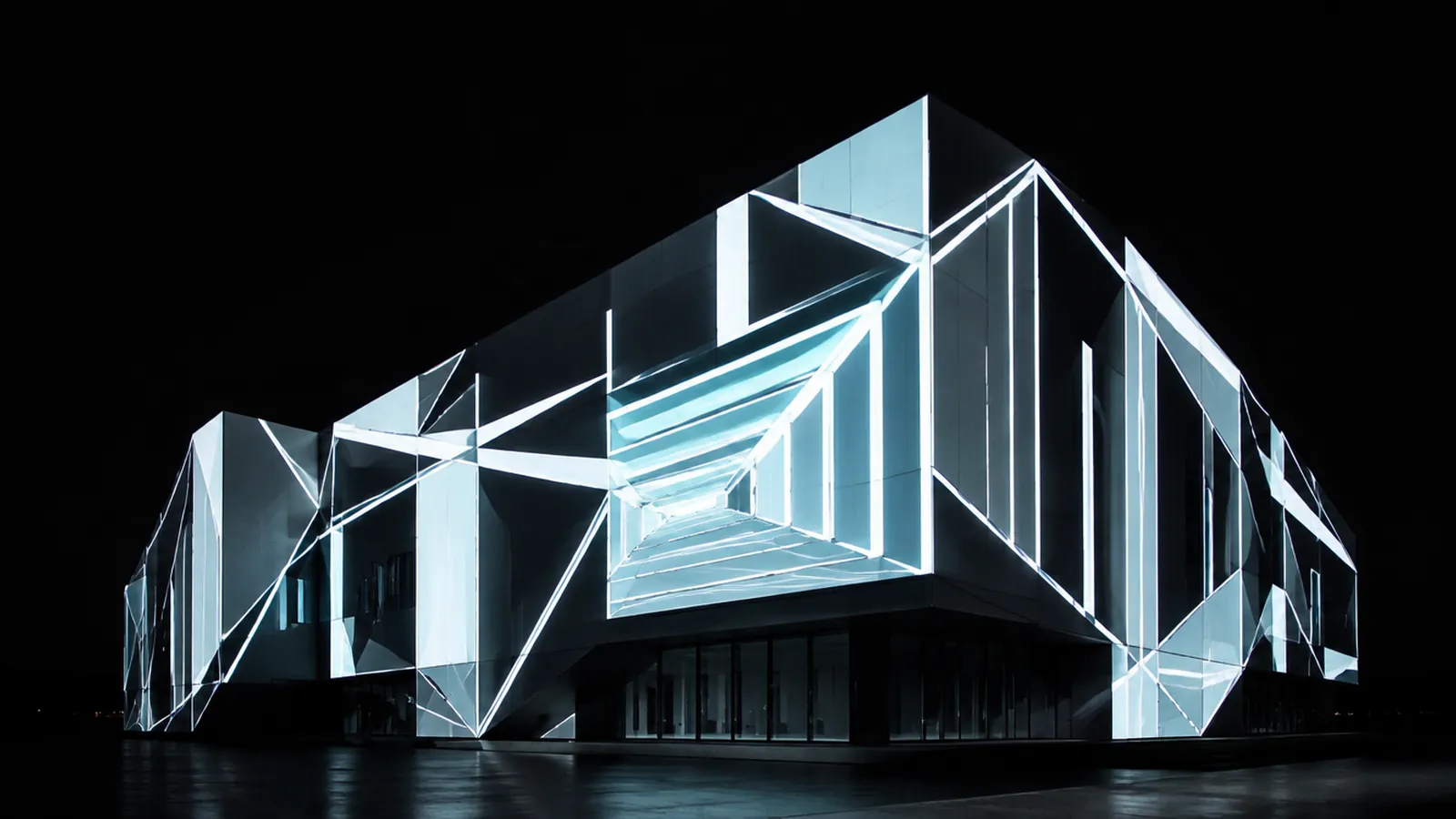
  4. AI concept of crisp geometric light patterns projection-mapped onto a building facade at night.
    Launch, one night
    04 — Live, cued reveal

    Product launches and brand activations

    The product lands on a plinth at 8 p.m. The client wants the logo to move, the wall to change and the reveal to feel bigger than the room.

    What we bring
    ProjectionAnimated logoFixturesOperator
    How it runs
    Live for the room, cued for the reveal. The operator runs the arrival looks live and fires the reveal on the MC’s word. Timecode when the reveal is cut to a film or a track and has to land on the frame.
    Starts small
    One mapped surface, an animated logo built in days and one operator. Scope grows with the surfaces.
  5. AI concept of flowing cyan and red visuals on a large wall beside a white sculptural stage set.
    Ballroom, 200 guests
    05 — Run live

    Corporate events, galas and award nights

    Two hundred guests, a ballroom with a low ceiling, a walk-up for every winner and a band after dinner. The venue’s uplighting has three colors.

    What we bring
    FixturesProjectionOperator
    How it runs
    Live from the desk. Warm and still through dinner, a clean lift for each walk-up, then the room turns into a dance floor. Timecode when the awards have a stinger film that has to hit with the lights.
    Starts small
    One operator, a compact rig that fits a ballroom and a load-in that doesn’t stall the caterers. Scope grows with the run of show.
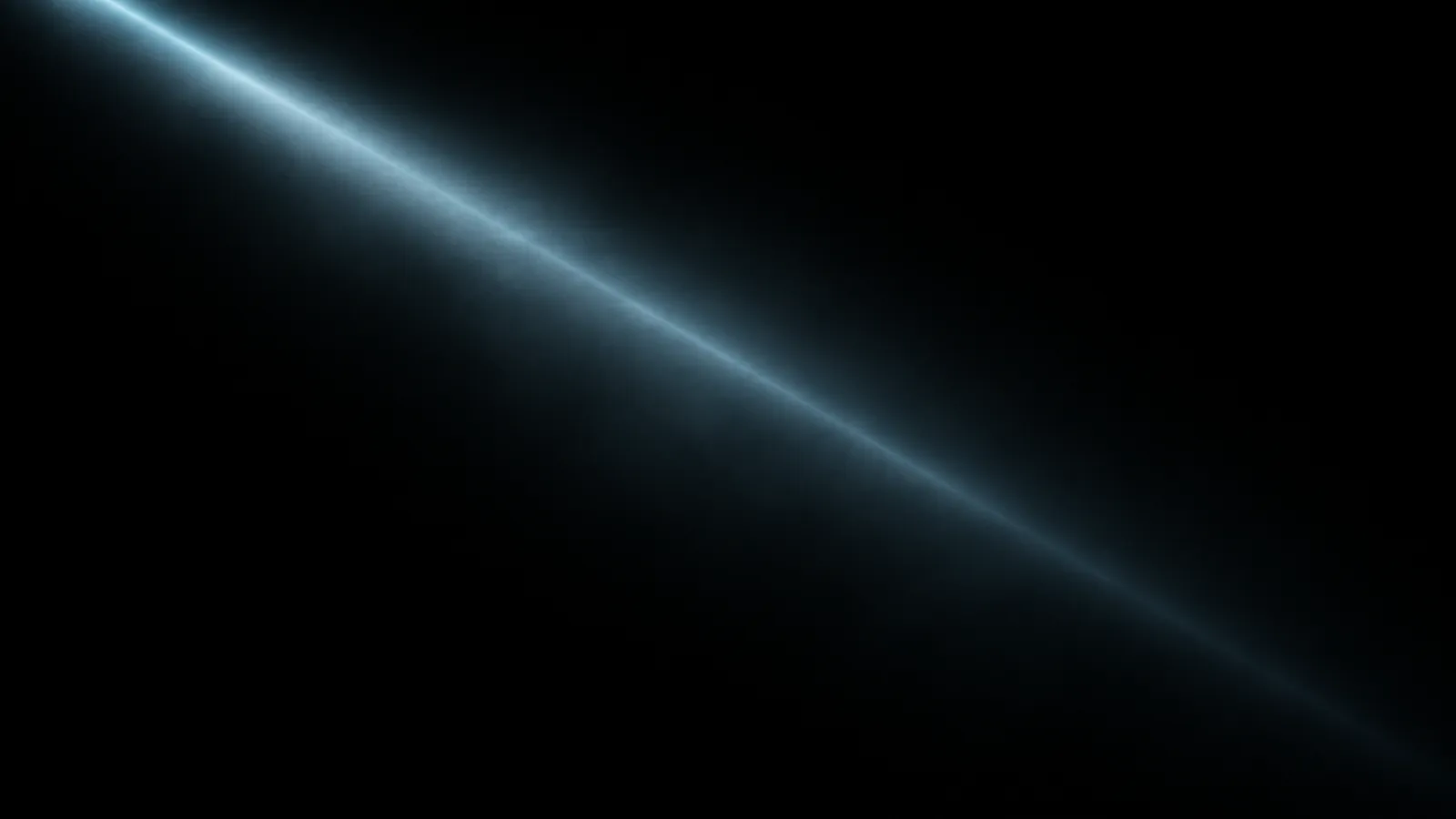
  6. AI concept of a single white beam cutting through haze in a black room.
    Reception, last three hours
    06 — Run live

    Weddings and private parties

    The speeches are done, the DJ is on and the room still looks like the dinner. You want the last three hours to feel like a different night.

    What we bring
    Wash fixturesHazeOperator
    How it runs
    Live, and quietly. A soft wash for the first dance, one beam through haze for the moment that matters, then the operator follows the DJ until the last song. No timecode needed: the night doesn’t run to a click.
    Starts small
    One operator and a handful of fixtures that don’t fight the florals. Scope grows with the venue.
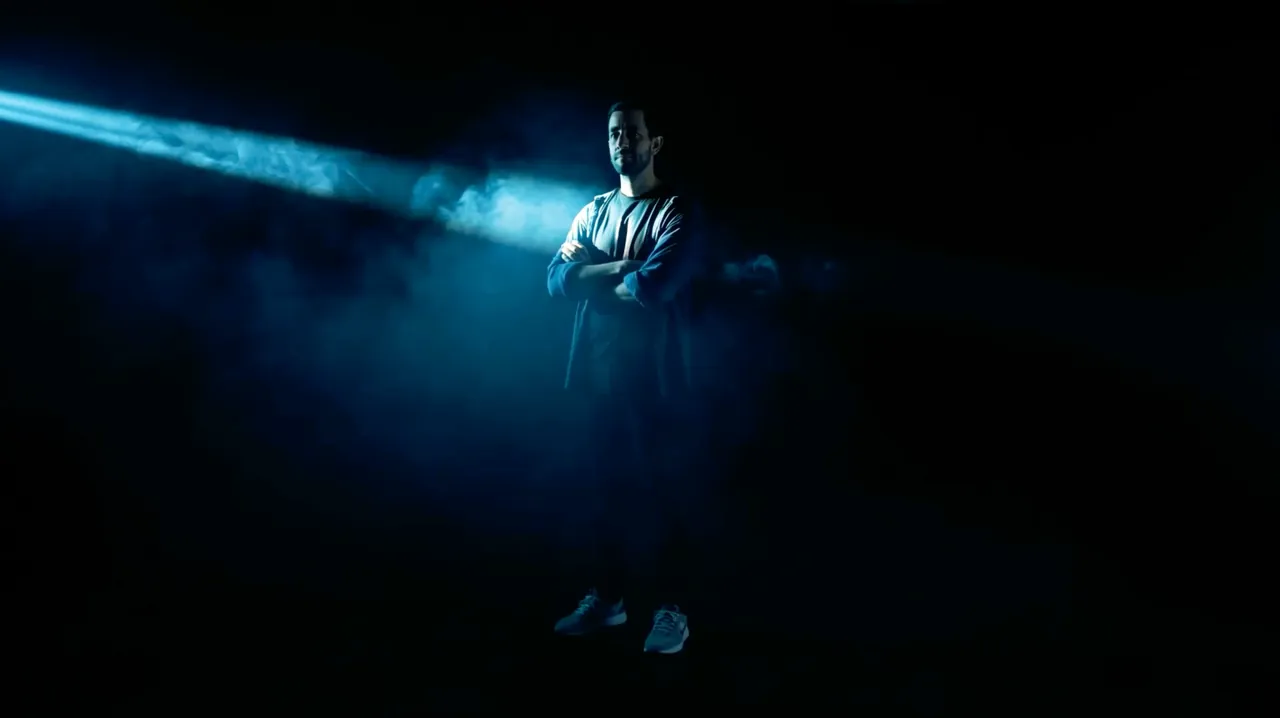
  7. A person standing in a dark studio, lit by a single blue beam through haze.
    Studio, three cameras
    07 — Timecoded

    Livestreams, music videos and content shoots

    Three cameras, a session that starts at 10 a.m. and a director who wants take six to look exactly like take two.

    What we bring
    FixturesLasersTimecodeOperator
    How it runs
    This is where programming earns its place. Cues are timecoded to the track so every take and every stream matches, and the operator stays at the desk for the moments the director changes on the day. Live when it’s a one-take session and the energy matters more than the match.
    Starts small
    One operator, a compact rig lit for camera and one timecoded track. Scope grows with the shot list.
  8. A wall of white beams over a red LED stage and a packed festival crowd.
    Park stage, headliner at dark
    08 — Live, timecode for the headliner

    Festivals and outdoor events

    A stage in a park, a changeover at six, a headliner at dark and a production manager who needs an answer this week.

    What we bring
    FixturesLasersOperator
    How it runs
    Live for every act on the bill, because a festival set list changes at the side of stage. Timecode for the headliner when they tour with playback and want the show they rehearsed.
    Starts small
    One operator and a rig scaled to the stage. Scope grows with the bill and the hours of darkness.

    Outdoor lasers need a separate feasibility review before they go in the plan. Send the site and the concept first.

03 — How to book

Three stepsto show night.

Days, not weeks. Most live shows in small rooms are scoped from one email and a photo of the space.

  1. 01 — Tell us

    Tell us the room and the music

    Date, venue, headcount, what’s playing and what you want the room to do. A photo of the space and a link to the music are enough to start.

  2. 02 — We propose

    We propose the rig and the looks

    A fixture list that fits the room, the looks the operator will play, what the venue provides and what we bring. One scope, one quote, one night.

  3. 03 — Show night

    Show night, run live or on timecode

    Load-in, focus, soundcheck. Then the operator runs the show to the music in the room, or fires the timecoded cues you signed off, and strikes after the last song.

A few details

Before we start.

Straight answers to the questions people ask before they send the first email.

Do I need a timecoded show?

Usually not. Most rooms are better served by an operator running designed looks live to the music, with no lengthy pre-production. Timecode is worth it when the show must be identical every run: a livestream, a tour with playback, or a reveal cut to a film.

Can you work with our existing house lighting?

Often, yes. Send the fixture list and how it’s controlled and we’ll check compatibility before scoping. Where the house rig is thin, a compact rig of ours fills the gaps rather than replacing everything.

How small a room is too small?

There isn’t one. A bar stage with four fixtures and an operator is a designed show; a ballroom or a festival stage is the same approach with more gear. The rig is scaled to the room, not the other way round.

How far ahead should we book?

Looks and content can be built in days, so a week or two is workable for a live show in a small room. Timecoded programming, mapped surfaces and outdoor lasers need more lead time. Tell us the date and we’ll say what’s realistic.

Get a quote

Tell us aboutthe room.

Send the date, the venue, the music and a working budget if you have one. We’ll come back with the rig, the looks and whether it runs live or on timecode.

One operator. A compact rig. A designed show.

The more we know up front, the faster the scope lands. Useful to include:

DateVenueHeadcountThe musicReferencesWorking budget